A new alliance says data centers could connect to the grid sooner if they can cut power use during periods of peak demand.
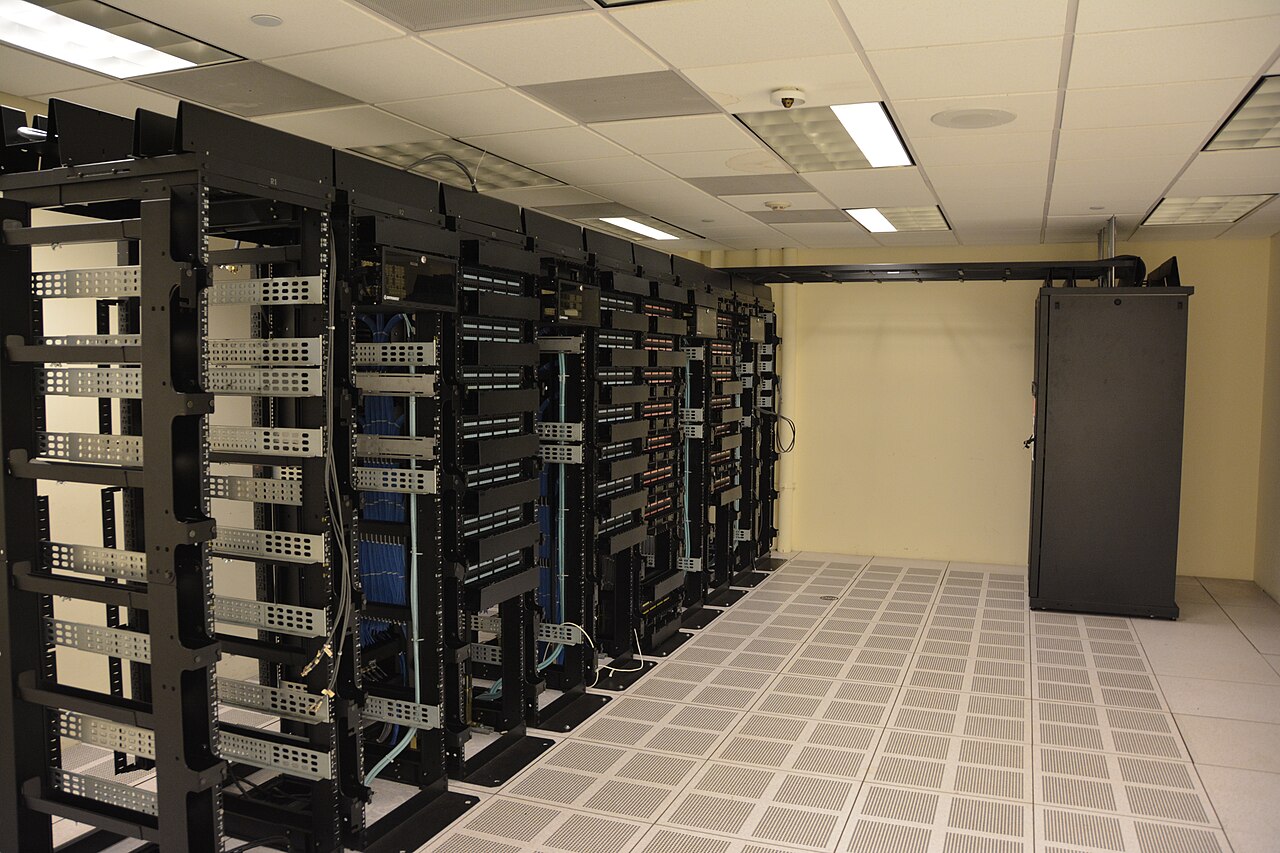
US power grids could accommodate another 100 GW of data center capacity if those facilities reduce consumption at peak times, according to an estimate from the AI Energy Management Alliance. The alliance wants utilities to take that flexibility into account when they review connection requests.
Emerald AI, Google and NVIDIA launched the alliance on September 16. Anthropic and energy companies AES, Constellation, National Grid and NRG have also joined. Their proposal gives a data center a possible route to a faster connection if it can lower its load when the grid needs it to.
The constraint is greatest during peak demand. A grid has to be able to handle its highest expected load even though it runs below that level much of the time. If a data center can quickly reduce demand during those peak hours, a utility may be able to account for it when assessing the connection.
NVIDIA says a facility could shift some computing work to another time, draw on batteries or use on-site generation. Emerald Conductor coordinates AI workloads with signals from the power grid.
A machine-learning job that does not need an immediate result, for example, may be movable. A service with strict response-time requirements must keep running. That distinction determines how much power a facility can actually free up without disrupting its users.
Google said in March that it had contracted 1 GW of flexible demand with several US utilities. At their request, it can temporarily limit or reschedule some machine-learning work.
In a field trial in Phoenix, Arizona, a cluster of 256 GPUs reduced its power consumption by 25% for three peak hours. The result was reported in Nature Energy. The researchers said the AI services also met their stated quality requirements during the test.
That trial covered one cluster and a specific set of workloads. Utilities would need results from other facilities and rules for measuring reductions before they could rely on this approach when approving new connections.
Emerald AI raised $150 million in a Series A round in August to develop its platform. AEMA now wants to agree with utilities on how to measure how quickly a data center responds and how long it can sustain a reduction. Those details will determine whether flexibility becomes part of the formal capacity calculation for a grid connection.
Google says flexible demand will still need to be paired with new power generation and transmission lines. For now, AEMA needs utilities to agree on measurement rules before data centers can use this approach in connection applications.
Emerald AI founder discusses the new energy alliance
Bloomberg’s September 18 interview with Emerald AI founder Varun Sivaram about the alliance’s plan.
Bloomberg Podcasts ·
Watch on YouTube if the player is unavailable